A Wine Tradition in the Netherlands
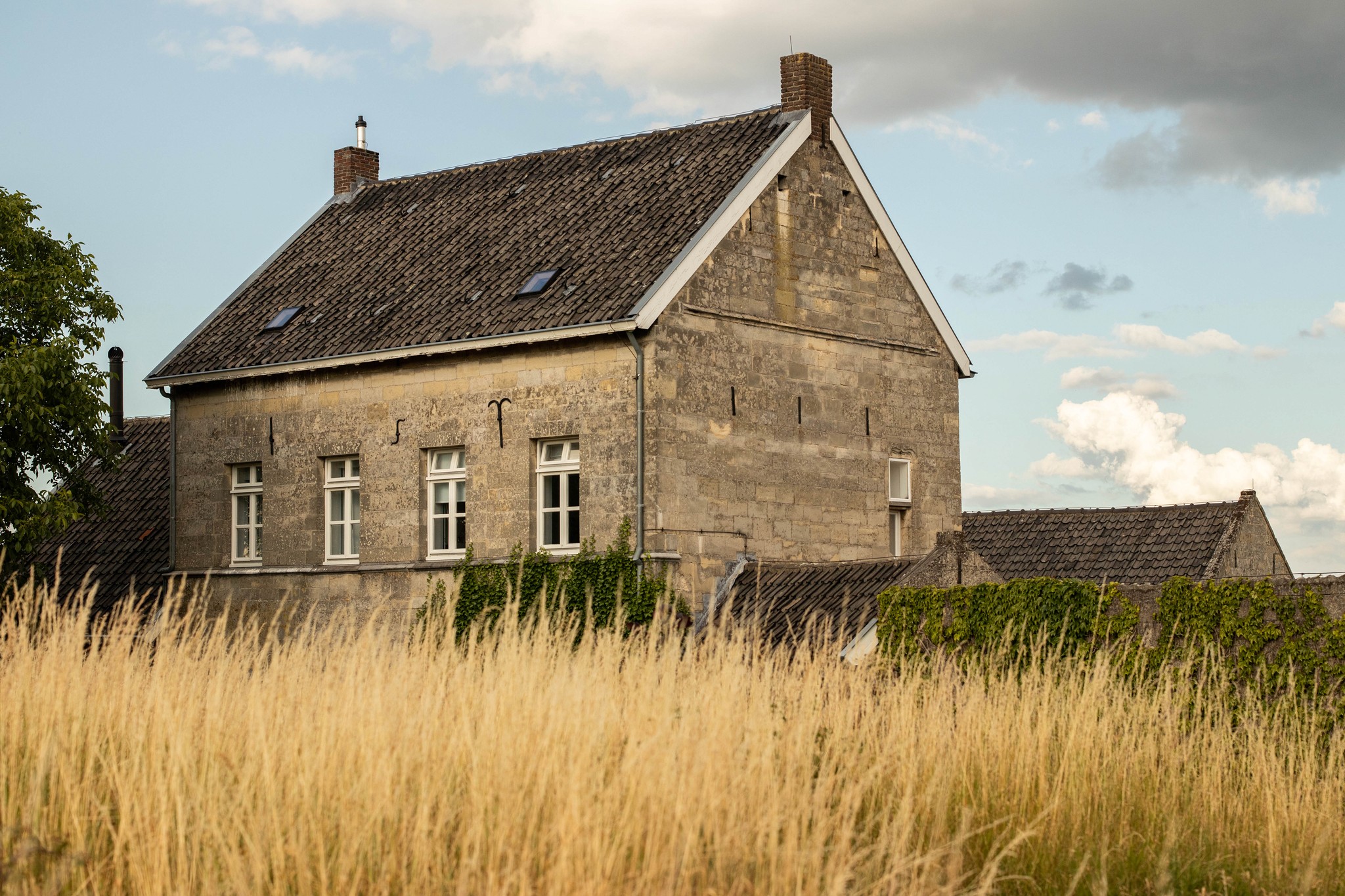
At the Apostelhoeve, a tradition lives on that reaches back to Roman times. For centuries it had vanished from the landscape, until the first vines were replanted in 1970. A cautious beginning, which would grow into the oldest and most influential winery in the Netherlands.
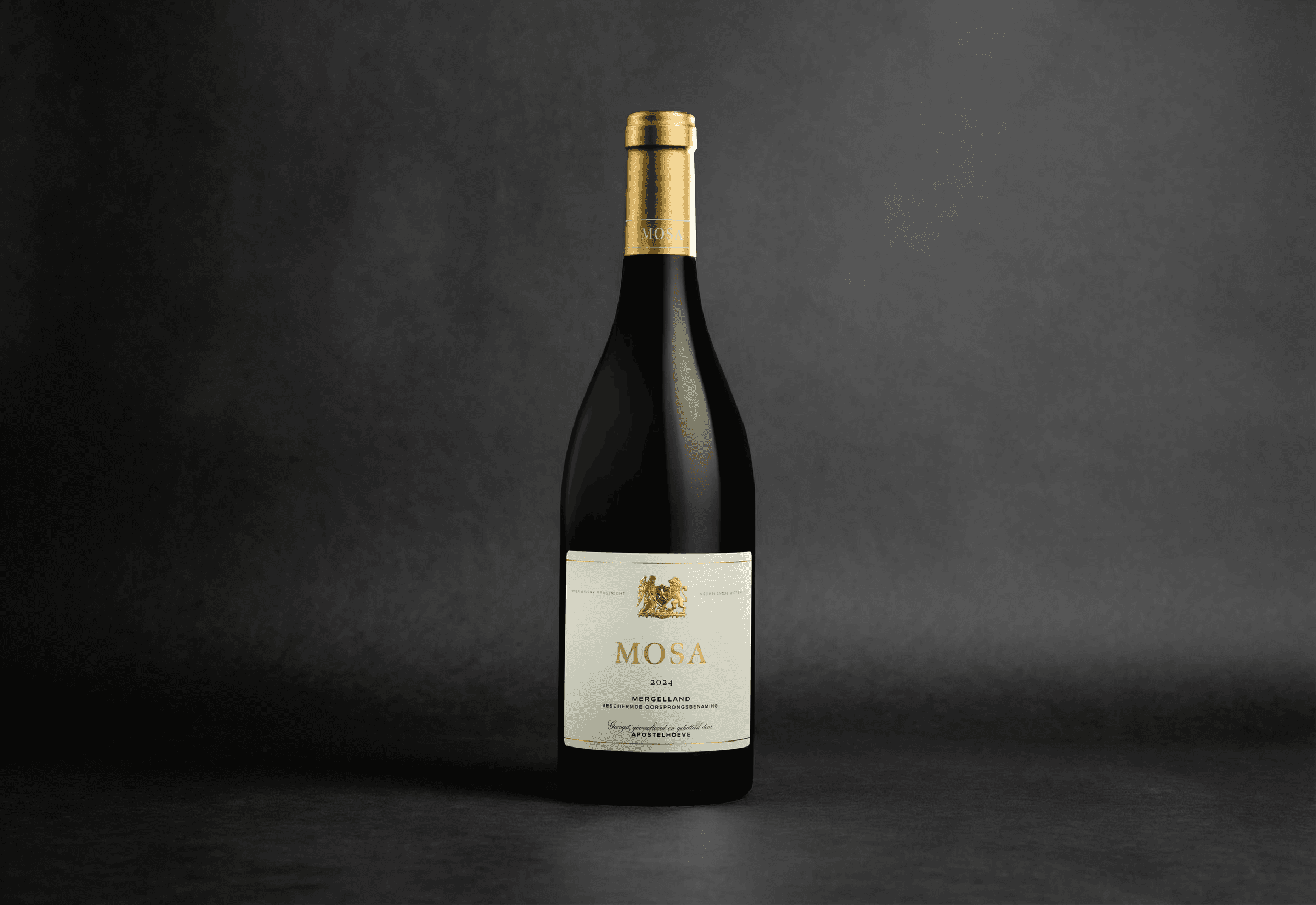
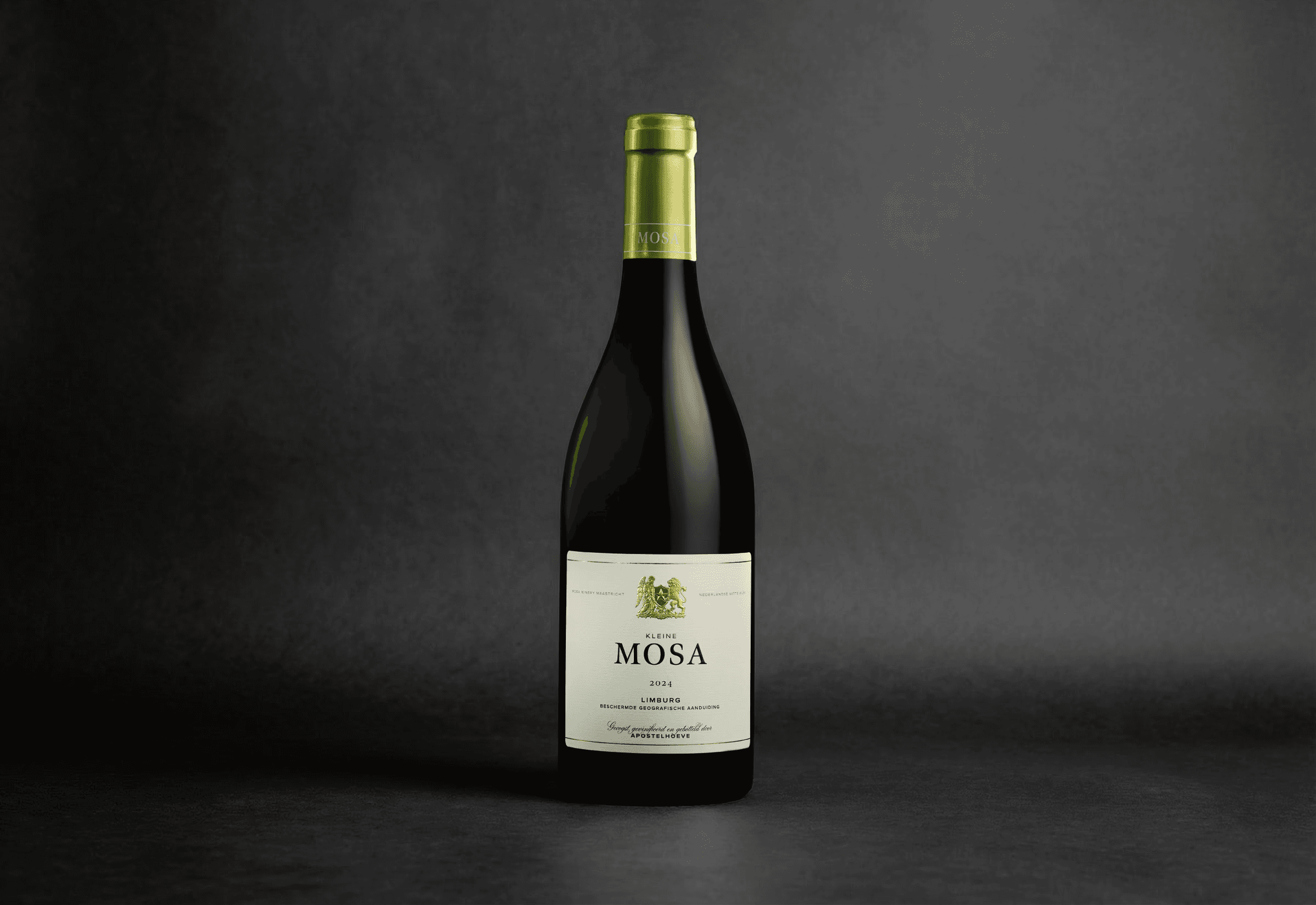
Harvested, vinified and bottled by the Apostelhoeve, Mosa carries this legacy forward in a contemporary form. The name refers to Mosa Trajectum, the Latin origin of Maastricht, a quiet reference to place, time and origin. It is here that Dutch wine first took root, and it is here that it discovers new meaning.
Vision
Mosa was born from a single conviction: that great Chardonnay can emerge from the south of the Netherlands. Europe is changing. Seasons are shifting, contrasts growing sharper. What once seemed self-evident now calls for attention and precision. For Mosa, this was not a threat, but an invitation, a moment to redefine what the highest expression of white wine can be, today and in the future.
Mosa was founded with one clear purpose: to craft white wines at the highest conceivable level. Wines that do not rely on power or extraction, but on tension, layering and balance. Wines that do not conceal their origin, but deepen it.
Mosa works with only one grape. Not out of limitation, but out of conviction. True expression emerges when focus is absolute. Every decision in the vineyard and cellar serves structure and precision. Intervention is kept to a minimum; development is given the time it requires.
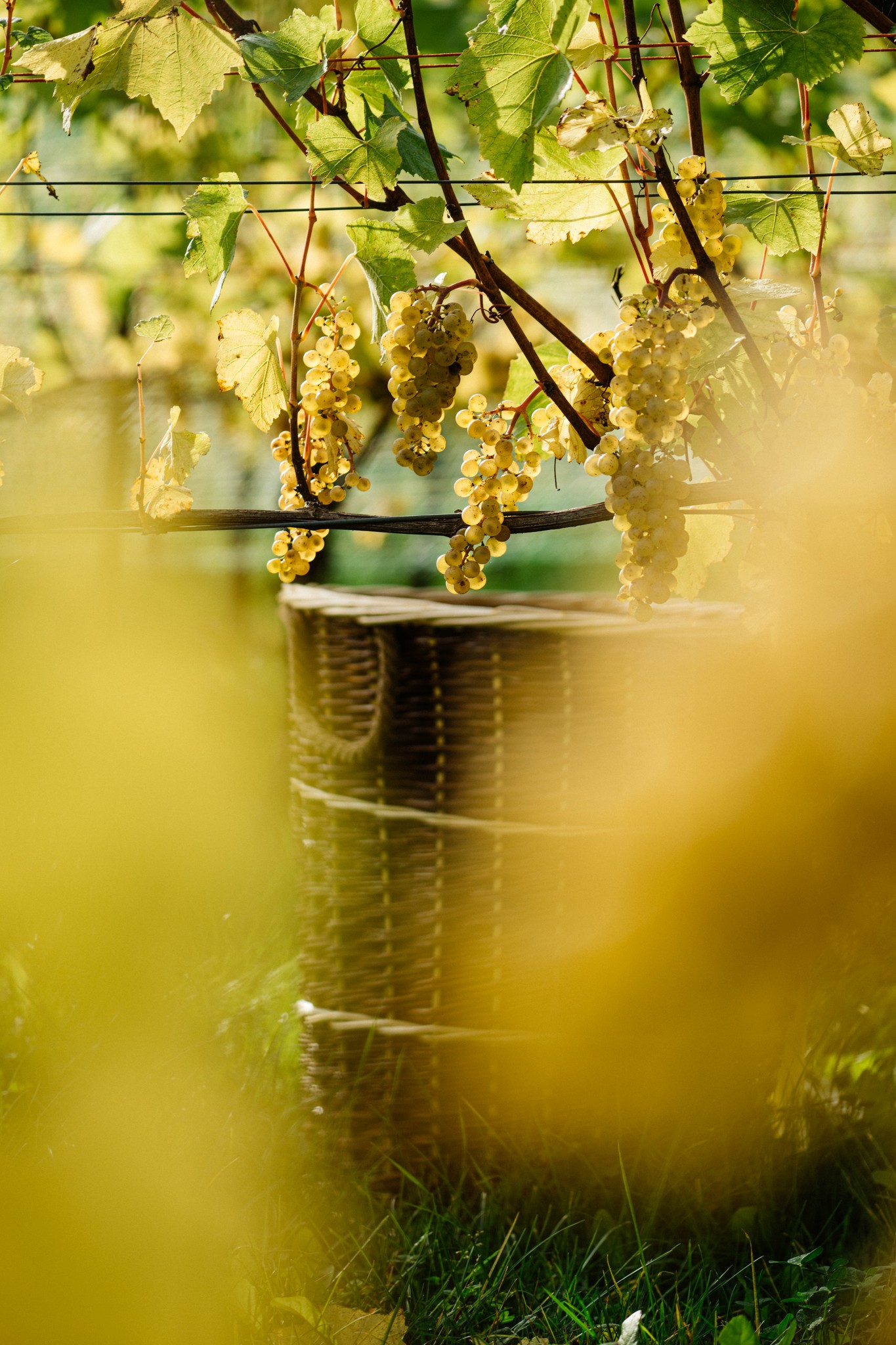
Everything begins in the vineyard, where the grapes are carefully harvested by hand. Each small harvest is handled separately, by parcel and by lot. Selection takes place before pressing, ensuring that only the finest fruit continues its path to vinification and allowing each wine to mature under full responsibility from the very beginning.
The wine ferments naturally, allowing the vineyard’s true character to unfold, before maturing slowly and unhurriedly in oak barrels crafted by François Frères, one of France’s most esteemed cooperages. The wines mature for an extended period on their fine lees, which are gently and regularly brought into suspension to deepen balance and complexity. Racking is avoided; fining and filtration are left aside. The natural carbon dioxide formed during fermentation is retained, protecting the wine in a quiet, natural way.
The vinification is guided by classical principles, rooted in precision, patience and a profound respect for terroir, with minimal intervention and without pumping, allowing the wine to evolve naturally and with purity.
Origin
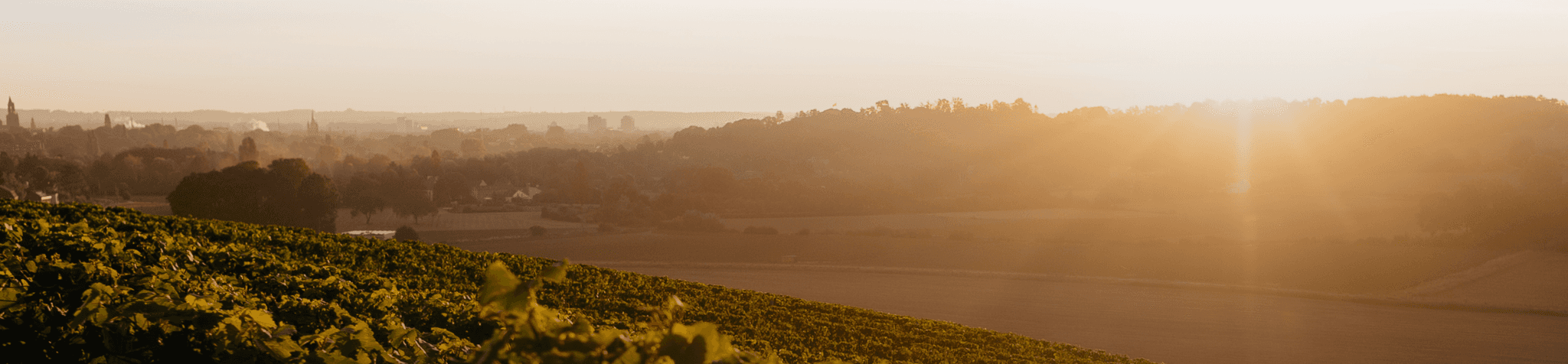
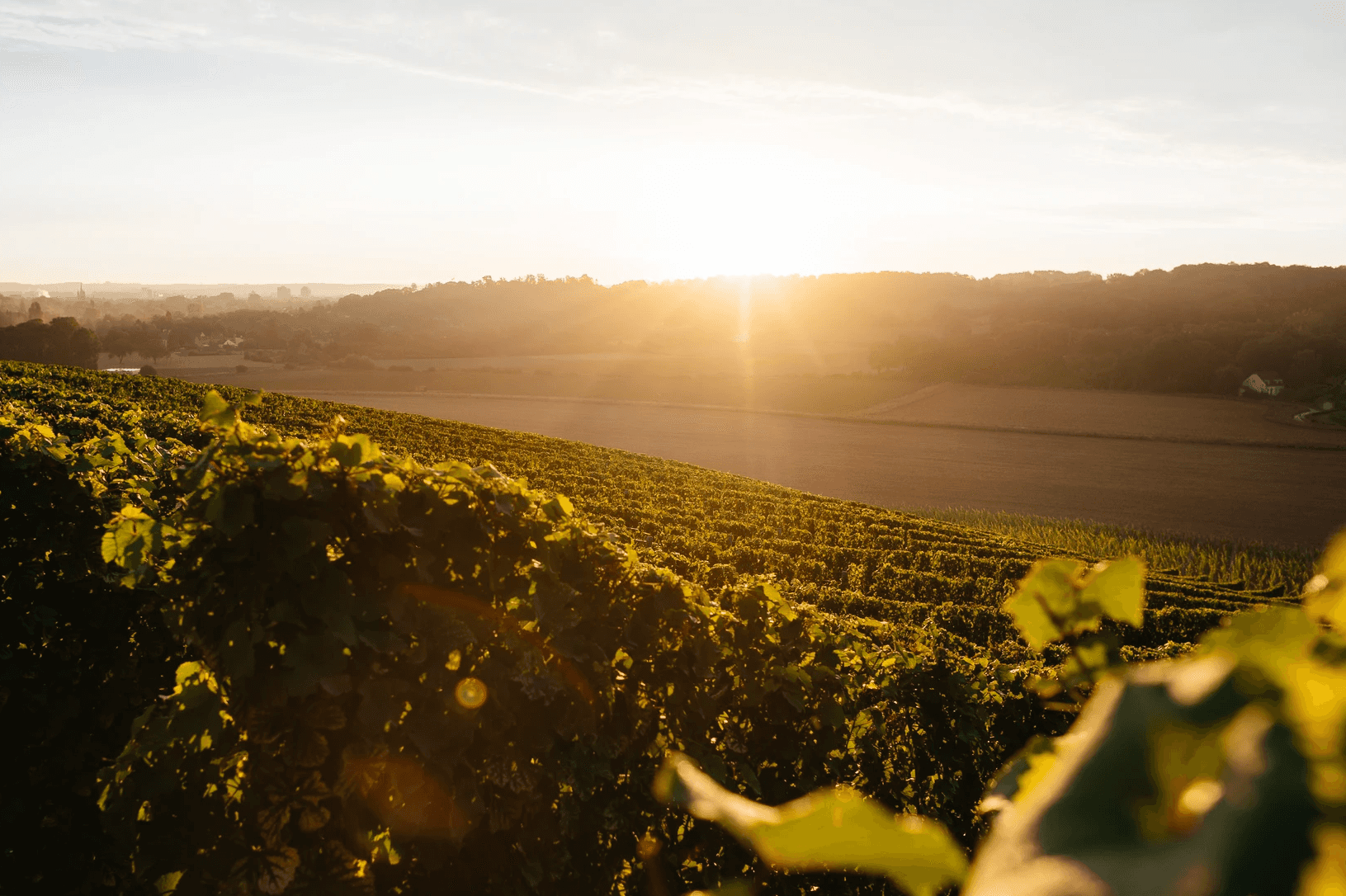
The vineyards form the foundation. Ancient marl soils and climate are in careful balance. The mild microclimate of South Limburg, influenced by the slopes and the River Meuse, allows the grapes to ripen while retaining their natural freshness. The limestone-rich soils provide structure, tension and a pronounced minerality.
The cultivation of the vines, the making of the wine, and the bottling remain entirely under the care of the Apostelhoeve. From harvest to bottle, the entire process remains in-house, so that control is maintained over every detail.